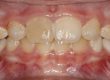



Caries currently affects 21% of the population (according to data from the data from the National Institute of Statistics), being one of the most common dental pathologies. Interdental or interproximal caries are a specific type of caries located in the area between the teeth, often affecting more than one tooth at a time and are usually more dangerous than caries that appear in other dental areas.
What are cavities?
A cavity is a damaged area of the tooth, where the accumulation of bacterial plaque has caused permanent erosion and must be treated to stop its expansion. If not treated in time, caries can end up eroding all the enamel and necrotizing the nerve of the tooth, so that we can lose our teeth.
Because of where they originate, interproximal caries may be less visible and difficult to detect. Here we explain the keys to prevent this type of caries, locate them in time in case they appear and treat them correctly.

Characteristics of interproximal caries
The area between the teeth is more inaccessible and will be more difficult to clean during tooth brushing. It is therefore an area prone to the accumulation of bacterial plaque and tartar that causes tooth decay. This problem is accentuated in patients with dental crowding and those who wear fixed dental orthodontics that hinder cleaning.
On the other hand, tooth enamel also becomes thinner at the root of the tooth, so interproximal caries can advance more rapidly than those that appear in the crown of the tooth.
Symptoms of interproximal caries
Since interproximal caries deteriorate the tooth more rapidly, it is very important that we pay attention to those symptoms that may be alerting us to its presence, such as:
- Dental sensitivity: intense pain in the teeth when in contact with cold, heat or sweets.
- Throbbing pain: as the caries approaches the dental pulp, the pain will become more intense because the bacteria approach the dental nerve. This pain may also be accompanied by inflammation.
- Insensitivity: in more advanced cases, caries may have necrosed the nerve of the tooth, rendering it insensitive.
Finally, during dental hygiene we may notice that when flossing, the floss gets caught, causing pain when passing it between two teeth. This may be due to an existing interproximal caries.
Causes of interproximal cavities
Like all types of caries, its main cause is the accumulation of bacteria, which sediment in the form of dental plaque on the tooth. Hence the importance of good dental prevention by removing plaque through professional hygiene and good dental habits at home.
The ingestion of sugary and acidic foods and beverages, and poor dental hygiene habits will be the most important factors in the appearance of interdental caries.
Diagnosis and treatment of interproximal caries
Many patients realize they have interproximal caries when they already feel symptoms of pain and tooth sensitivity, by which time the caries has already eroded part of the tooth structure. Regular visits to a dental specialist
dental specialist
will help to detect this and other problems in their early stages and allow us to solve them before they permanently affect our dental health.
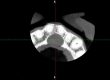
The most appropriate diagnostic test for interproximal caries will be an oral radiograph and a thorough dental examination. These completely painless tests can detect cavities and other dental problems in their early stages, even when they do not yet present symptoms, minimizing dental erosion.
Once interproximal caries has been detected, treatment will follow the usual procedure for caries:
- Dental remineralization: in very small caries or caries detected in early stages, remineralization treatment with fluoride can be carried out. This procedure consists of providing the patient with guidelines so that they can provide their teeth with the amount of fluoride they need to strengthen and fight caries, either through dental mouthwashes, supplements or dietary habits.
- Extract the caries: when the interproximal caries is already in a more advanced stage, it will be necessary to remove the affected tooth area and reconstruct the teeth with the most appropriate material depending on the amount and area of the affected tooth.
It is very important for the patient to remember that cavities do not go away on their own and we need to treat and control them in the hands of dental restoration specialists to avoid compromising the life of our teeth. The best way to avoid them will always be prevention, through a correct diet and above all by taking care of your dental hygiene habits: brushing your teeth three times a day and using dental floss or interdental brushes once a day will be your greatest allies in preventing interproximal caries. In addition, we recommend a dental hygiene check-up every 6 months so that our hygienists can remove all the bacterial plaque that we have not been able to eliminate with daily brushing, as well as a check-up by our dentists in Barcelona that help in the correct care of oral health.