


In this article we are going to talk about dental irrigation, an oral hygiene system that bases its effects on the propulsion of water at high pressure on teeth and gums in order to eliminate food debris and bacterial plaque.
There are two types of irrigation, the one that everyone can perform at home if they have a dental irrigator (a device available in pharmacies and similar), and professional irrigation, which we perform in the dental clinic and whose propulsive power is higher.
To whom is dental irrigation recommended?
The oral irrigator is recommended for anyone who wants to improve their oral hygiene routine, but its use is especially indicated for the following groups of patients:
- Patients with dental implants. In these cases, the irrigator allows cleaning the spaces between the prosthesis and the gums, avoiding food accumulation and bacterial proliferation. We must perform a thorough hygiene of implant prostheses to avoid peri-implantitis (inflammation of the tissues around an implant) and long-term loss of the implants. If an overdenture (removable prosthesis on implants) is used, the patient should remove it before going to sleep and irrigate the abutments in the mouth. Our specialists will show you how to brush your prosthesis carefully and effectively to preserve the dental treatment for as long as possible.
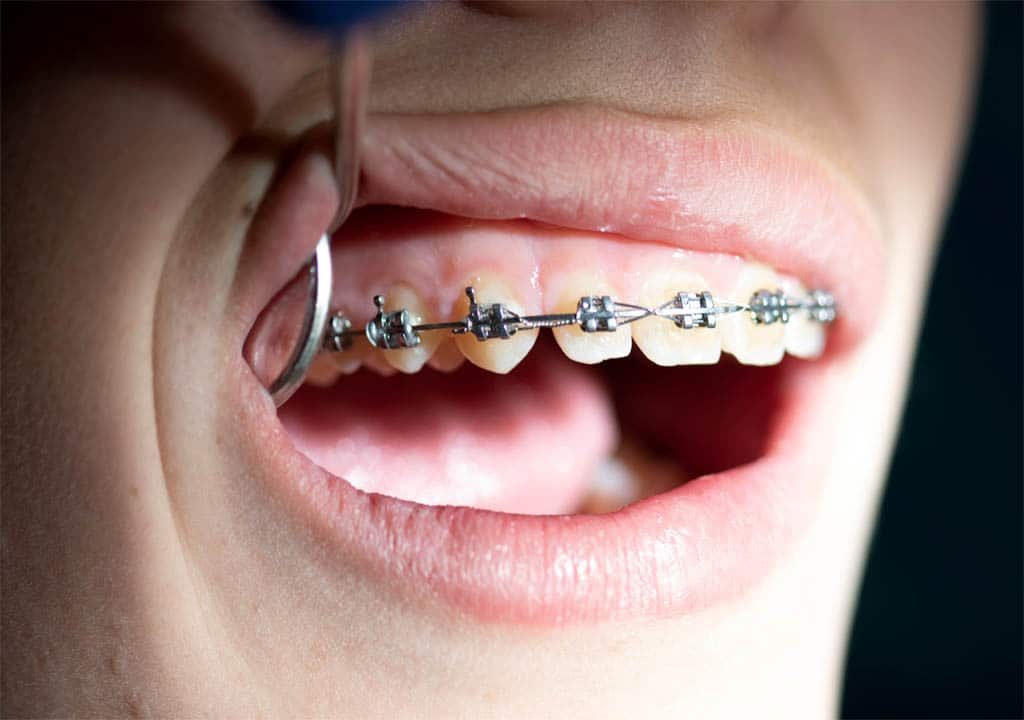
- Orthodonticpatients. The different appliances (invisible splints, braces, metal archwires, etc.) make it more difficult for the toothbrush to access the entire tooth surface. In these cases the use of the irrigator is a great ally since it propels the water to all the corners of the mouth. It is especially important to clean interdental areas and irregular surfaces covered by brackets or attachments to prevent caries from forming.
- Patients with gingivitis or periodontitis. Patients with gingivitis or periodontitis should maximize their daily oral hygiene by incorporating the most effective methods to deal with their condition. In these cases, the irrigator plays an important role together with brushing, eliminating bacterial plaque and moisturizing the gums. Proper hygiene at home together with periodic prophylaxis will help the condition to improve 100%.
In all cases, it is recommended that irrigation be incorporated as a complement to brushing and not as a substitute, and should be performed at the end of brushing. Our specialists will help you perfect your brushing and irrigation technique.
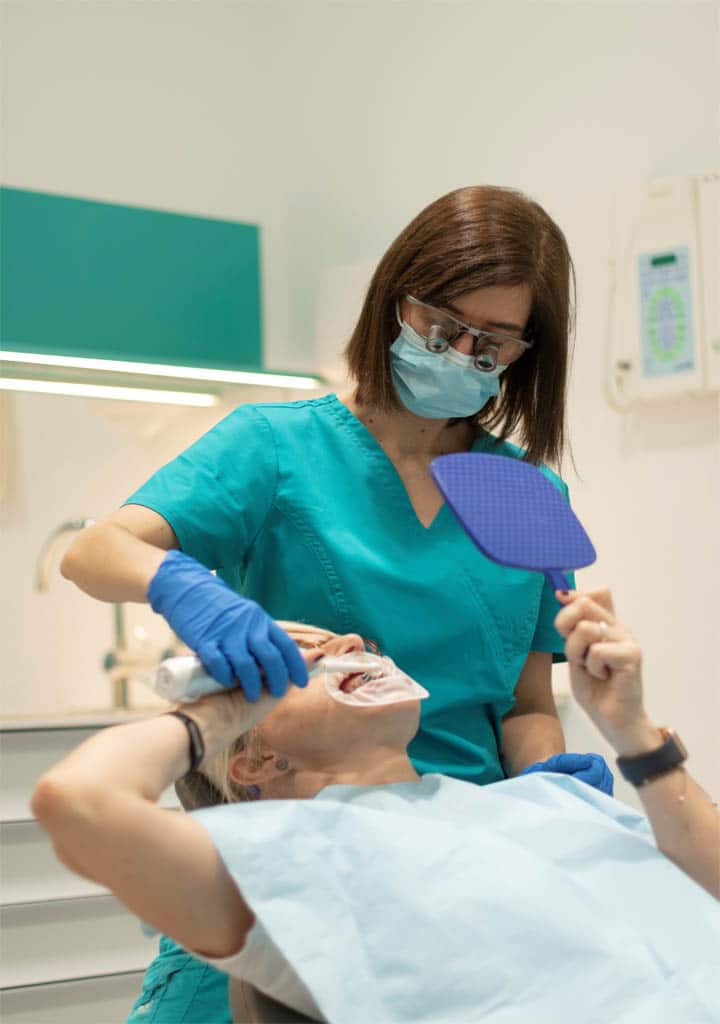
How is the irrigation you offer in your dental clinic?
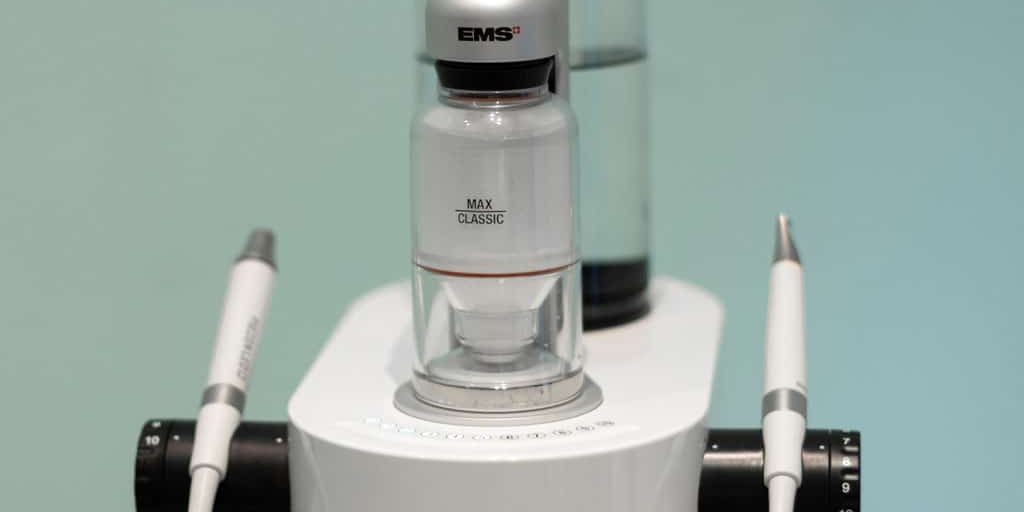
The professional irrigation that we use in our clinic is the AIRFLOW Prophylaxis Master by EMS, which has two independent irrigation handles with a regulated temperature. The Airflow Max handle emits a stream of water, dust and air particles that remove all bacterial plaque, stains and calculus. The Perioflow handle includes a dust outlet and water spray for effective and more thorough cleaning. This irrigation system is characterized by high precision, safety and patient comfort and is a unique solution for caries and periodontal disease prevention and maintenance.