


Open bite is a very common pathology that has traditionally been treated by maxillofacial surgery combined with orthodontics in the adult stages. In this article we will see how we can avoid the operating room with the most modern techniques offered by orthodontics today. In addition, we will discuss the characteristics, types, causes and consequences of this pathology.

What is open bite?
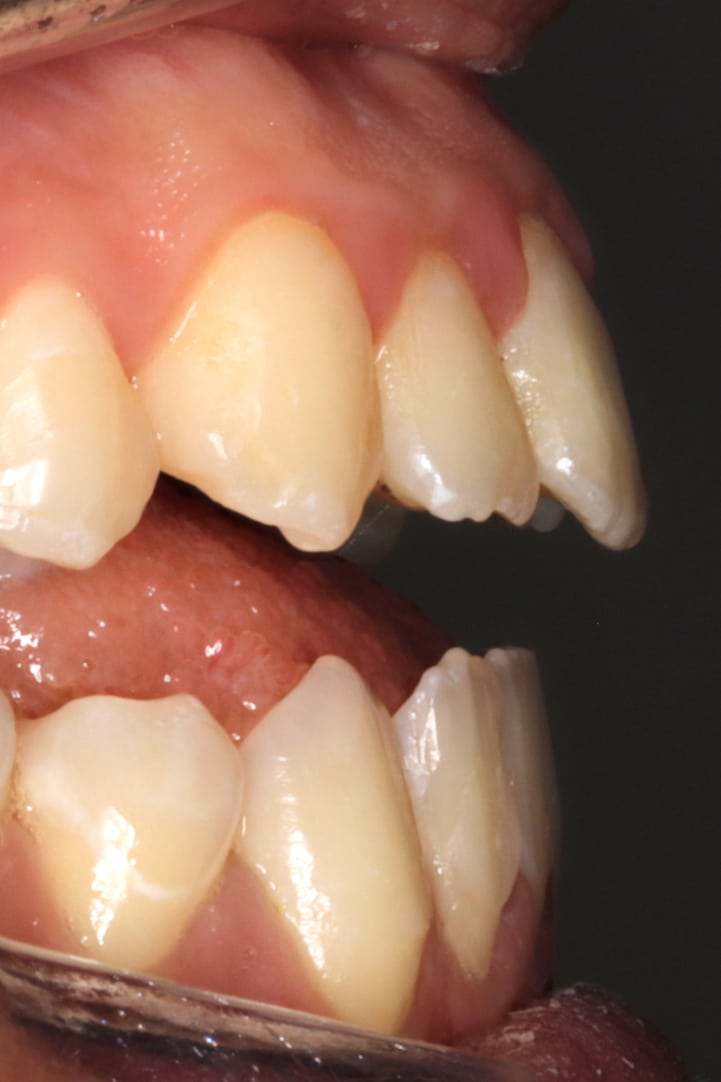
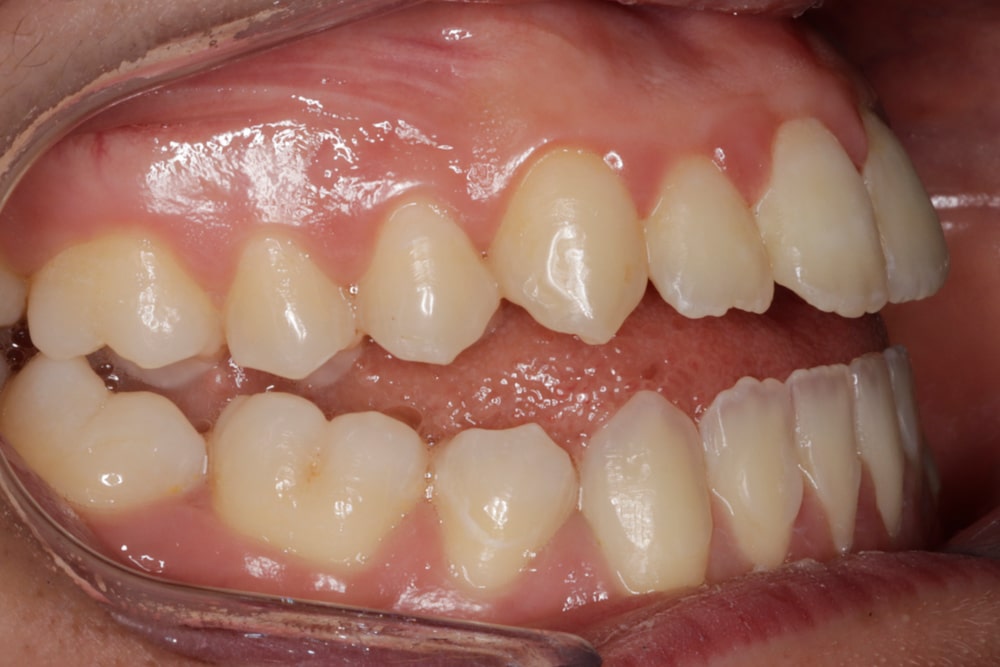
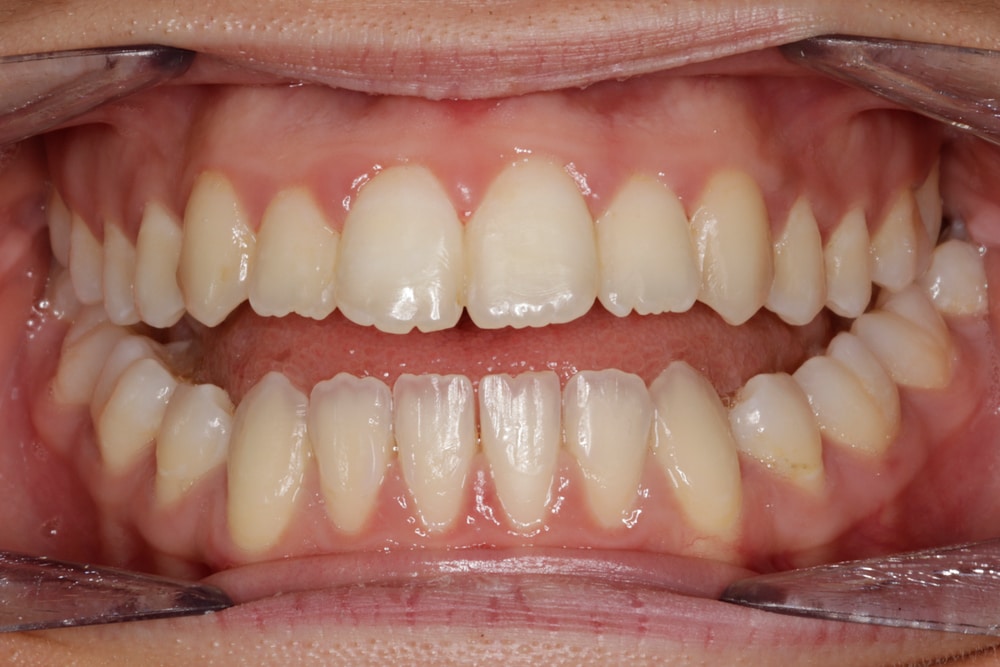
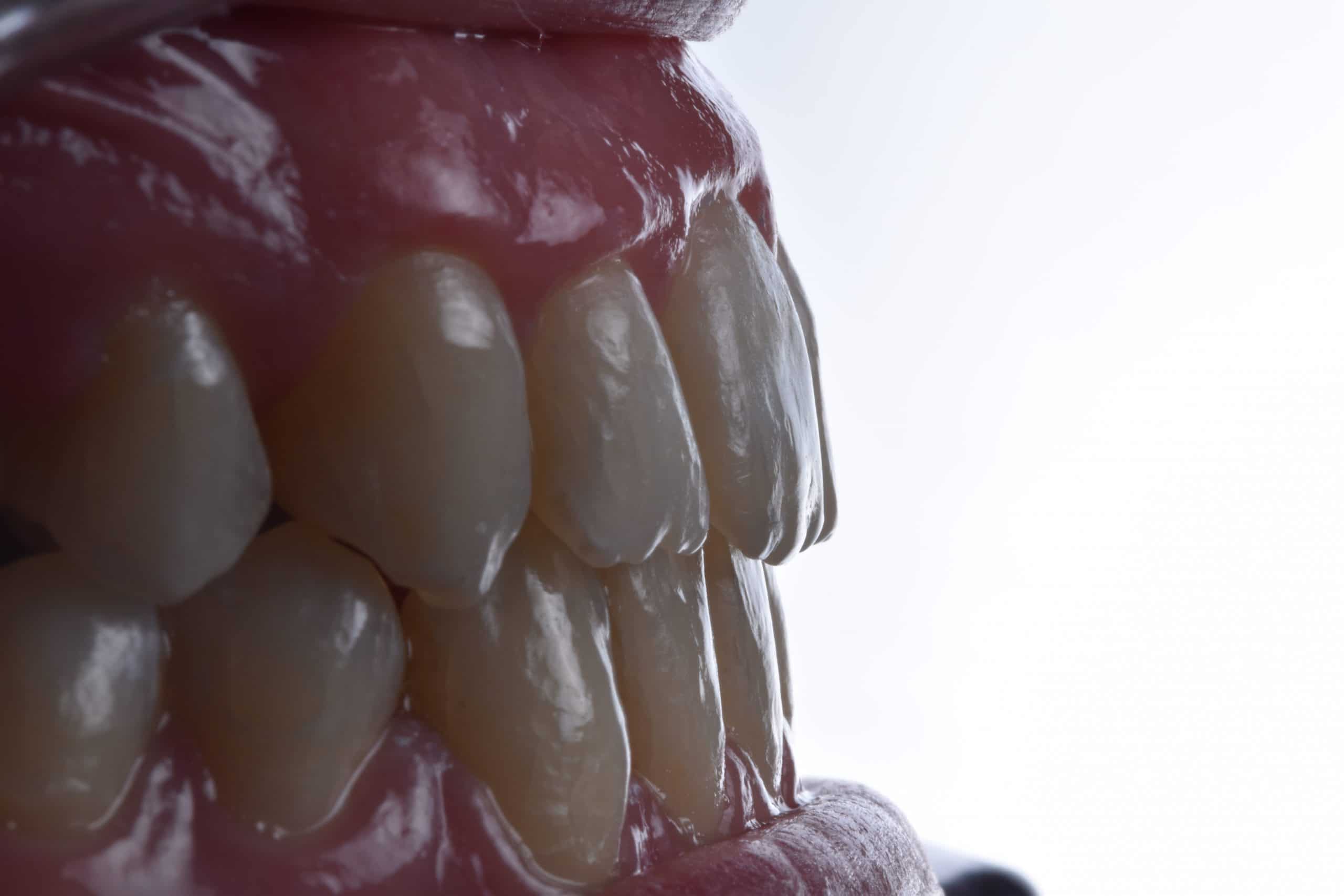
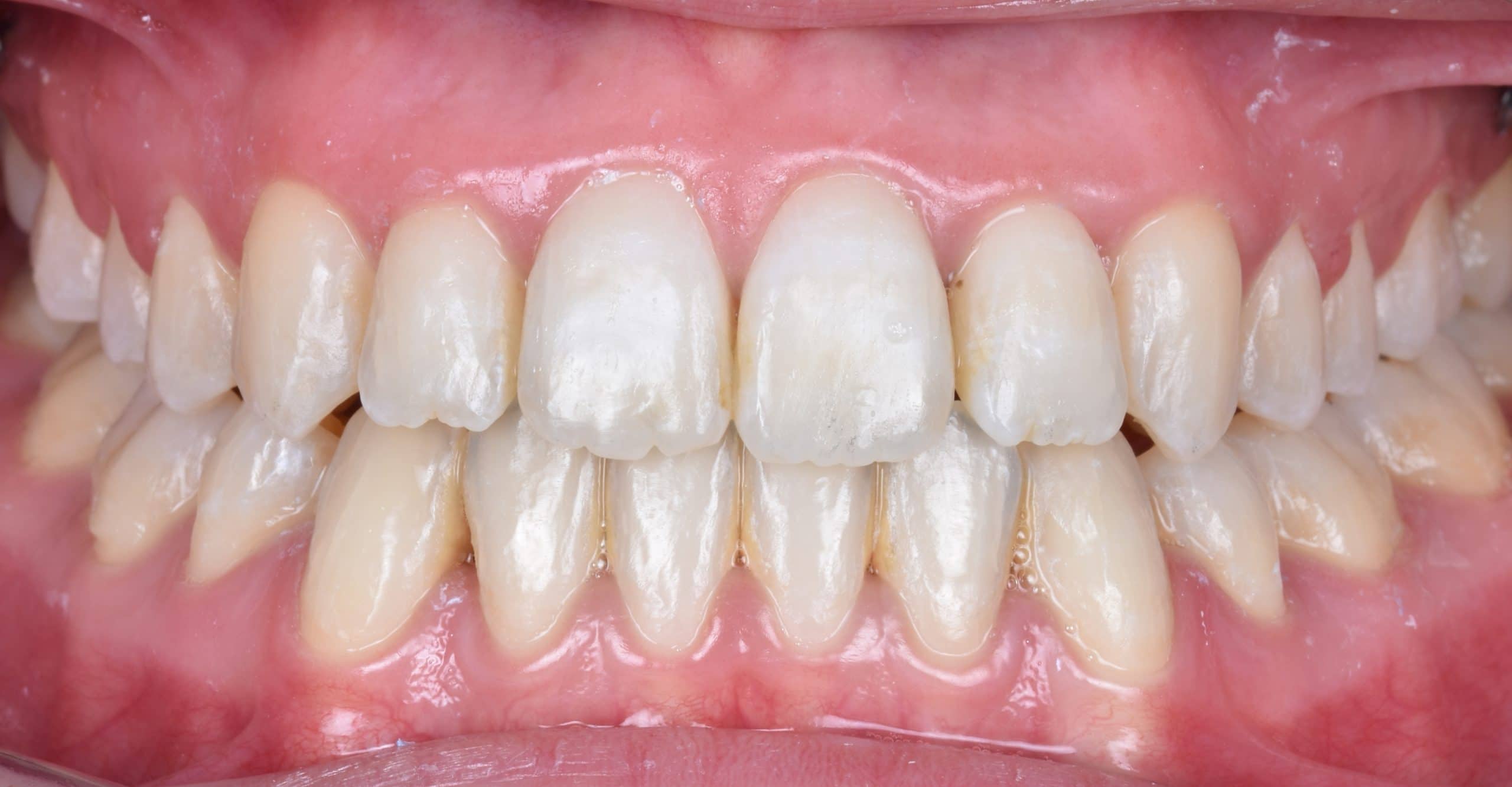
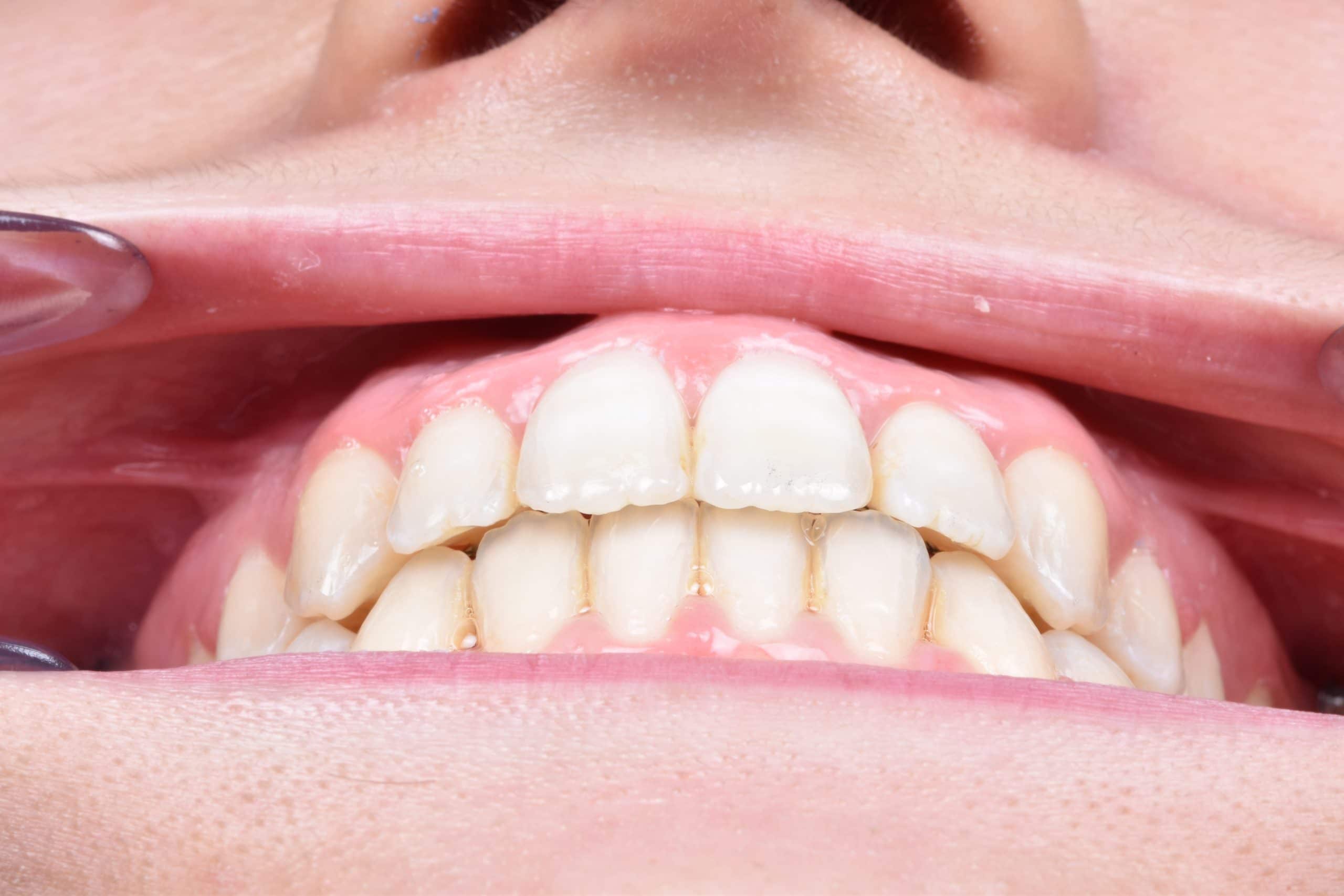
Open bite is the absence of contact between some of the teeth of the upper and lower jaw when biting. This pathology causes the chewing forces to concentrate on the teeth that do contact each other, causing wear and tear, loss of the bone that holds them in place and overloading the joint that joins the jaws (temporomandibular joint). In addition, they can cause other pathologies, which are detailed below:
- Digestive problems: it will be more difficult to grind food due to the lack of contact between teeth, causing either the stomach to work harder or the teeth that do contact each other to do so.
- Phonation problems: Sometimes it is difficult to pronounce some letters due to the excess of air that escapes through the area where the teeth do not contact.
- Atypical swallowing: When food or saliva is swallowed (swallowing process), the body counteracts the absence of contact between the teeth by placing the tongue in the space between the teeth. The force of the tongue pushes the teeth outward, accentuating the open bite.
- Facial muscle pain: In cases of open bite, the masticatory muscles located in the areas where there is dental contact are overloaded, which can cause pain and affect the function of these muscles.
The main cause of open bite is genetics, although bad habits such as mouth breathing or thumb sucking in juvenile or infantile stages can affect the correct development of the jaws and generate a lack of contact between teeth.
Types of open bite
Open bite is classified according to the area and origin of the pathology:
No contact zone:
- Anterior open bite: occurs when the absence of dental contact when biting is in the area between the upper and lower incisors (front teeth).
- Posterior open bite: occurs when there is no contact between the molars (posterior teeth). If it occurs on one side, we will speak of unilateral posterior open bite, while if it occurs on both sides, we will call it bilateral posterior open bite.
Origin of the pathology:
- Skeletal open bite: occurs when the cause of the pathology is produced by the divergent growth of the jaws, i.e. when the development of the bones that support the teeth is not proportional to each other, generating a lack of contact between several teeth.
- Dental open bite: It occurs when the malposition of the teeth is the cause of the lack of contact between them, i.e. when the teeth are tilted or have not erupted correctly.
- Open bite caused by problems in the temporomandibular joint (TMJ): There are patients who present problems in the joint that joins the two jaws and that can cause lack of dental contact.
Treatments for open bite:
If we treat open bite in juvenile or infantile stages, the treatment will be simpler, since the bone that holds the teeth is more malleable. In any case, current orthodontic techniques allow us to treat the pathology in adults in most cases without having to combine maxillofacial surgery.
If the open bite is caused by a bad position of the teeth, repositioning them with orthodontic treatment will be enough to solve it. If, on the other hand, the origin is skeletal (lack of symmetry of the jaws), it can be treated through orthodontics and the use of micro-screws, small screws that will be anchored to the bone and in which we will place rubber bands that will go from the micro-screws to a support that we will adhere to the surface of the tooth (in the case of The orthodontic braces with brackets will be attached to the brackets themselves (see photo). In this way we will be able to move the teeth vertically, either intruding them (moving the tooth into the bone) or extracting them (the opposite movement) according to the planning of the case.
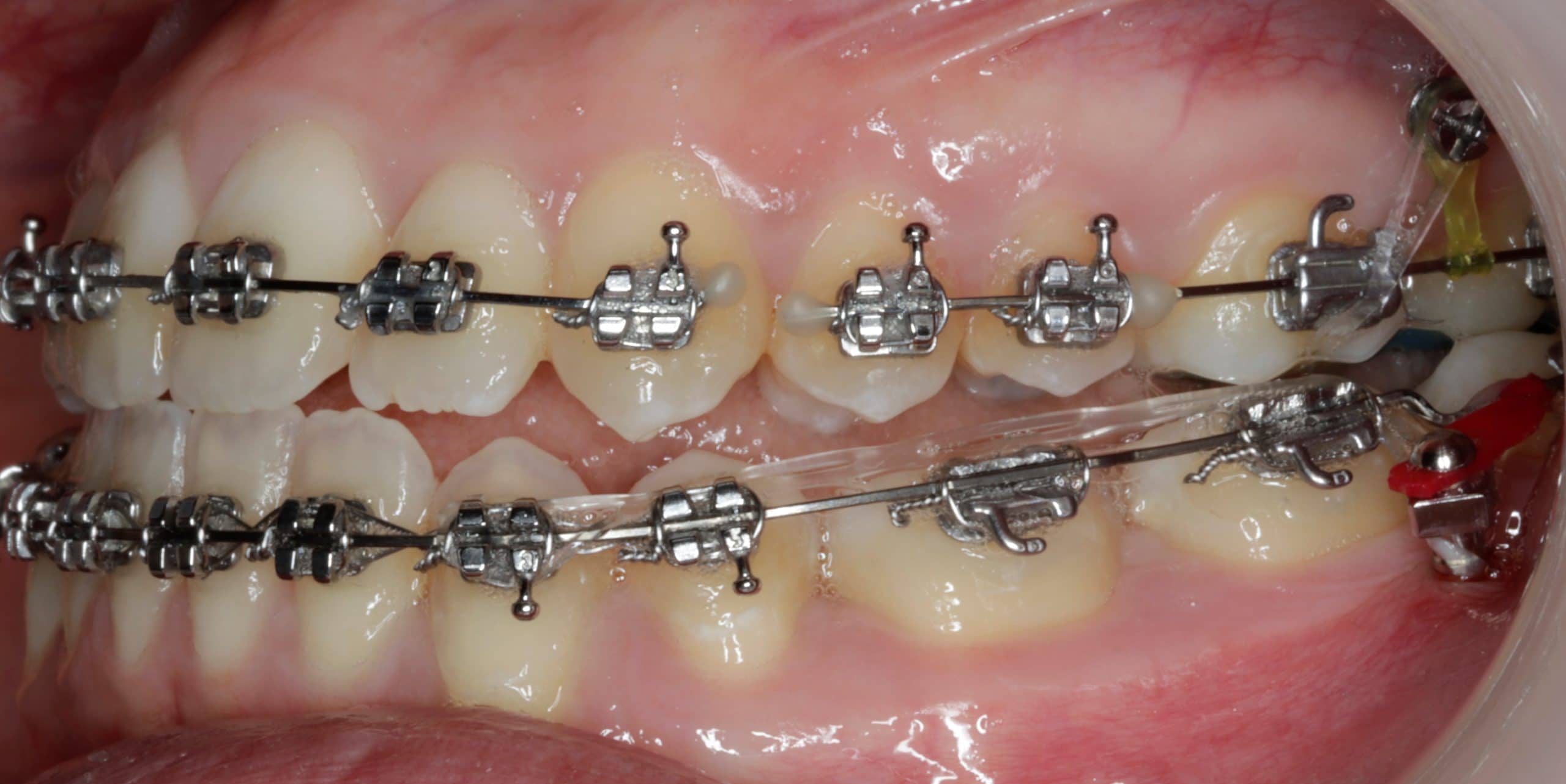
The speed at which we can perform the movements and the extent to which we can position the tooth with respect to the bone that supports it will have to be perfectly measured for the result to be functional.
For this, prior to the beginning of the treatment, we will perform a digital planning through photographs, 3D bone images and 3D images of the gums and teeth that we will record with our digital scanner and CT scanner. Our dental technology will allow us to superimpose these images in order to correctly plan the treatment and present a virtual simulation to the patient.
To correctly treat the open bite, it will also be necessary to analyze if there is any habit that is feeding it, such as thumb sucking, positioning the tongue between the teeth or constant mouth breathing. In these cases, orthodontic treatment should be combined with ENT and/or speech therapy to re-educate the habit and thus avoid lengthening the treatment.
In addition, the post-treatment retention system must be closely monitored to maintain the results, since open bite is at risk of recurrence. In 80% of cases, recurrence occurs in the first year post-treatment and in 20% of cases in the second year. That is why our dental clinic has developed a specific retention protocol that has allowed us to avoid recurrence in all our treatments. This is detailed below:
- Follow-up in the re-education of bad habits that may favor open bite.
- Muscular exercises to strengthen the masticatory muscles.
- Depending on the complexity of the case, the rubber bands between the teeth and the micro-screws will be maintained for 6 to 12 months post-treatment to maintain the bite correction.
The following is a sequence of photos of an open bite case solved by our orthodontic specialist, the Dr. Abboudcurrently a professor of the master’s degree in orthodontics at the University of Barcelona and recognized for being one of the most important orthodontists that most successfully resolves complex cases while avoiding surgery.