


Professional teeth cleaning is a treatment that everyone should have periodically to maintain perfect oral health. Even if we have good tooth brushing habits, bacteria and food debris continue to accumulate on our teeth and gums, creating bacterial plaque.
When this plaque calcifies in the form of tartar, deep cleaning in a dental clinic is the only way to remove it effectively. Tartar causes pathologies that deteriorate teeth and gums, called caries and periodontitis respectively. For this reason, the gum and prevention specialists at our dental clinic recommend a dental cleaning treatment at least once a year. However, the periodicity will be determined by the specialist in each case, depending on the level of bacterial plaque accumulation and the characteristics of the patient.
How long does a dental cleaning last?
The duration of the dental hygiene will depend on the level of tartar or plaque accumulated in the mouth, but normally the treatment is performed in a 60-minute session. In this session, apart from removing all bacterial plaque, a prevention plan is provided to the patient to avoid its accumulation until the next hygiene. The correct use of electric toothbrushes, interproximal brushes and dental floss will be essential to achieve this.
It is important to note the difference between dental hygiene and gum maintenance. With hygiene we eliminate bacterial plaque from the visible part of the tooth and up to two millimeters of plaque behind the gum. If we see deeper bacterial plaque, we will recommend deeper cleanings with anesthesia. Previously it will be necessary to perform a study by our gum specialist called periodontogram, in order to determine the extent of these bacteria and thus be able to eliminate them accurately. Once the deep bacteria have been eliminated, the patient should perform gum maintenance, which is a cleaning of the visible part of the tooth and also the part below the gums.
Do dental cleanings hurt?
Dental cleaning is not a painful treatment, although it can be uncomfortable for some patients in the following situations:
- Inflammation of the gums: The accumulation of bacterial plaque behind the gums causes their inflammation. To remove this plaque and make the gum deflate, we must perform deeper cleanings with anesthesia, called scaling and root planing.
- Dental sensitivity: hypersensitivity of the teeth to cold is also a condition that causes the patient to have sensitivity when using instruments with water and air.
The discomfort that these patients may feel during and after dental hygiene is mild, but the best way to reduce it is to maintain proper daily hygiene at home and arrive at the dental office with less plaque accumulation.
How is a professional dental cleaning performed?
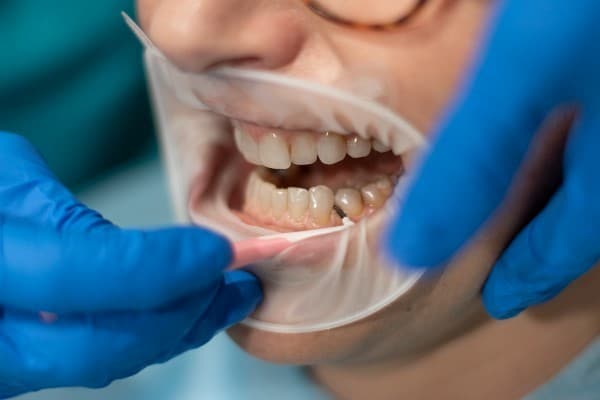
The complete dental hygiene treatment is usually divided into three steps:
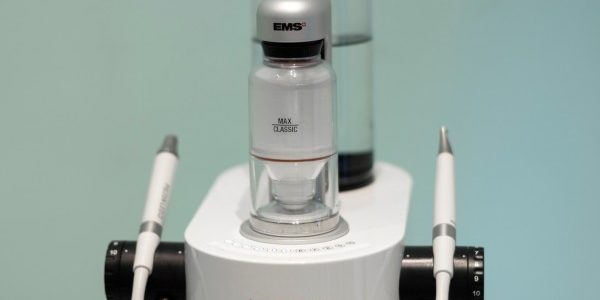
- Tartar removal: through ultrasound and air (AIR FLOW technology), the specialist removes the largest and hardest plaques of tartar from the teeth. To finish removing the smallest sediments, use hand instruments called curettes. Throughout this process, water is irrigated to clean the area and help plaque removal. It should be added that the air-flow prophylaxis master technology allows us to eliminate soft bacterial plaque through air, making less use of ultrasound and being more respectful of the enamel.
- Tooth polishing: the specialist (hygienist) polishes the teeth with a specific polishing brush and paste to achieve smoother, more uniform and shinier tooth enamel.
- Dental fluoridation: Fluoride helps strengthen teeth, which is very important when tartar has weakened them.
Care after dental cleaning
Sensitivity after dental hygiene is normal and will be accentuated in patients who accumulate more tartar. When we remove the tartar on the surface of the tooth, it is a little weakened and can generate sensitivity, but with the application of fluoride in the same session of the hygiene, and later at home in the indicated cases, the enamel will be remineralized and the sensitivity will disappear.
In cases in which the tartar has affected the bone behind the gum, once it is removed, the gum recedes (retracts), leaving part of the base of the tooth uncovered, which can generate sensitivity in that area. In these cases a gingival graft may be indicated to recover the lost gum.
These mild discomforts will gradually improve and disappear in a couple of days without treatment. After this time, it is important to continue taking care of the teeth to maintain the results for as long as possible. Thus, after waiting 24-48 hours after treatment, you can resume daily flossing and interproximal brushing and keep brushing three times a day.
You can also use a special toothpaste and toothbrush for sensitive teeth and avoid eating food or drinking beverages at extreme temperatures for a few days. Beware of foods that cause sensitivity, here is a list of foods to avoid if you have tooth sensitivity that can help you learn more about it.
Always follow the specialist’s recommendations to perform your hygienic procedures every 6 months or every year.