


It is the branch of dentistry that treats gum disease: this is the meaning of periodontics. Would you like to know more information about this specialty? In today’s post we tell you everything you need to know; if you are interested, keep reading!
How to cure periodontitis
Periodontitis is, together with gingivitis, one of the diseases affecting periodontal tissue. This infection consists of the accumulation of harmful bacteria in the periodontium to such an extent that, if not treated in time, it can lead to tooth loss.
To prevent this from happening, prevention and early diagnosis of the disease is vital. In this sense, periodontal treatments are necessary to cure periodontitis:
- Thorough hygiene: the first thing your dentist will do is a thorough cleaning, as well as teach you hygiene techniques, highlighting the importance of flossing and interproximal brushes. To remove the bacteria accumulated on the teeth and under the gums, scaling and root planing sessions are necessary.
- Surgical intervention: after the hygiene, your dentist will evaluate the results and assess the decision to perform surgery to eliminate the periodontal pockets of bacteria that are created under the gums.
- Maintenance: after having stopped the disease thanks to the surgical intervention, it is necessary to attend all the appointments that will be carried out periodically to check the state of the gums and avoid possible recurrences.
Many of our patients ask us if these treatments are painful, and the answer is no. If surgery is required, it will always be performed under local anesthesia.
How is periodontics performed in specific cases?
Can I have periodontics if I wear braces? Can children suffer from periodontitis? These are some of the questions that some of our patients ask us every day. In this regard, there are some specific cases that we are going to detail:
- Periodontics with braces: people who wear braces can undergo periodontal treatments. In fact, the movements made by the appliance on the teeth can lead to periodontal disease. However, those people who tend to suffer from periodontal disease and want to wear braces, it is advisable to undergo a treatment to eliminate tissue inflammation beforehand.
- Periodontics for geriatric patients: periodontal treatment in the elderly is possible. The increased severity of periodontitis in geriatric patients is usually related to long exposure of tissues to plaque microorganisms. Likewise, the latest studies assure that both gingivitis and periodontitis can be successfully treated in this population. Deep hygiene is usually the best option for the elderly, avoiding surgery and performing it only in justified cases.
- Children’s periodontics: many people think that periodontal disease is a pathology that only affects adults, but the truth is that an increasing number of children and adolescents present gingivitis, the first stage of periodontal disease. Although periodontitis is less common in this population, it can also occur. In order to treat this problem, it is necessary that the child attends regular check-ups in which the dentist will teach him/her to change his/her oral hygiene habits with cleaning techniques to avoid possible periodontal diseases.
Periodontal treatment in pregnancy
According to clinical data, a high percentage of pregnant women present gum inflammation at some point during pregnancy. One of the causes is the increase of female hormones, which favors the multiplication of bacteria in the oral cavity.
In addition to being very careful in oral hygiene, it is advisable for pregnant women to visit the dentist more frequently in order to detect periodontal disease at an early stage. Another reason is to adopt preventive measures such as dental cleaning and scaling and root planing whenever necessary.
When does periodontics require surgery?
This is another question our patients ask themselves. The answer is when periodontitis is very advanced and curettage is not sufficient to remove the accumulated bacterial plaque.
How to avoid periodontics?
Periodontitis is one of the most common dental pathologies, affecting almost half of the western population. The key to avoid this disease is prevention, but how to do it? Here is some advice:
- Brush your teeth for 2 minutes upon waking up, at bedtime and after every meal.
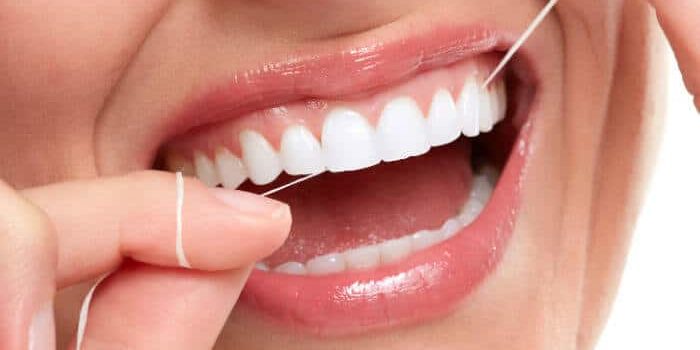
- Use dental floss in the interdental spaces.
- Avoid smoking.
- Have one or two dental cleanings a year at your trusted dental clinic.
However, it is always mandatory when performing this treatment that it is done with the highest possible quality. Therefore, our periodontics treatment in Barcelona is one of the best options to solve the problem.
Is there a difference between periodontics and endodontics?
Periodontics takes care of the gums, while endodontics is a treatment that consists of removing the nerve of a tooth affected by advanced decay.
The relationship between periodontics and diabetes
Different scientific studies certify that there is a bidirectional relationship between both pathologies. On the one hand, diabetes increases the risk of periodontitis. On the other hand, periodontal disease affects diabetes by impairing glycemic control.
In short, diabetic patients should pay special attention to the care of their gums through regular check-ups and optimal oral hygiene, using specific products that help prevent periodontal disease.
After understanding what periodontal disease is and what measures should be carried out to prevent and treat it, from our dental clinic in Barcelona, we will explain how to treat it.dental clinic in Barcelona we invite you to visit us in case of inflammation, redness, bleeding or sore gums.