



Tooth sensitivity or dental hypersensitivity is the sensation of sharp, stabbing pain in the teeth, which may affect one or more teeth and is accentuated when eating certain foods and during brushing. You have probably experienced it, since according to the recent study conducted by GSK Consumer Healthcare, 40% of the Spanish population suffers from tooth sensitivity and gum problems.
Bruxism, cavities, gum problems, insufficient dental hygiene or home teeth whitening without the supervision of a dental specialist are some of the main causes of tooth sensitivity. This pathology is caused by a deterioration of the dental enamel that leaves the dentin, the inner layer of the tooth, exposed.
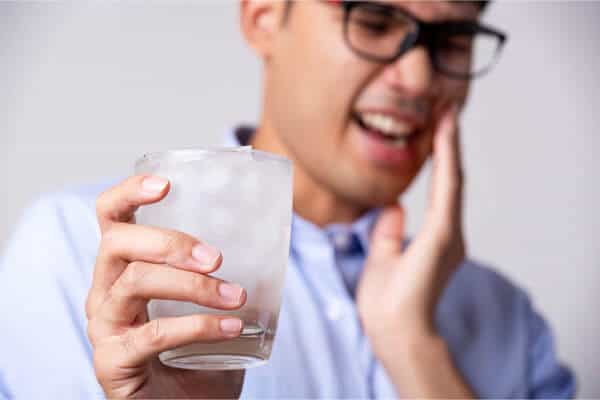
If you are suffering from an episode of sensitive teeth, you can consult us at our dental clinic in Barcelona. But to improve the process in the short term, you should avoid these foods in order not to aggravate the problem and to alleviate its annoying symptoms.
5 foods to avoid if you have tooth sensitivity
- Ice cream: avoid foods and beverages at extreme temperatures, since cold in contact with the teeth is what causes the greatest dental sensitivity. Ice cream, in addition to its cold temperatures, also contains sugars, which can promote tooth decay. When drinking cold beverages, it is best to avoid direct contact with the teeth, for example by drinking through a straw. To a lesser extent, very hot beverages can also aggravate hypersensitivity symptoms.
- Citrus fruits: some fruits such as orange, lemon or grapefruit have a high citric acid composition, which can erode the enamel and expose the dentin. This phenomenon will also occur when drinking juices containing these citrus fruits. Although saliva has the function of neutralizing this acidity, it may not be sufficient.
- Acids: other foods such as vinegar, tomatoes or canned preserves also contain an acidic pH that can be abrasive to tooth enamel. After ingesting these foods, it is recommended to wait 30 minutes and then brush your teeth gently, since tooth brushing with strong friction can aggravate the problem.
- Sweets: excess sugar is the classic enemy of dental health, since its accumulation in the teeth leads to the appearance of cavities and tooth wear. Therefore, to control hypersensitivity, it is essential to avoid sweets, pastries, chewing gum and sugary foods and drinks in general. Alcoholic beverages also contain high levels of sugar.
- Carbonated beverages: soft drinks and carbonated beverages are so normalized in our diet that we often do not notice them, but their combination of acids and sugars make them a very harmful food for dental enamel.
The importance of treating tooth sensitivity
Avoiding or moderating the consumption of the aforementioned foods, as well as maintaining healthy daily dental hygiene habits prevent tooth sensitivity and can alleviate its symptoms. But the best definitive treatment will always be to stop the deterioration of tooth enamel and gum recession.
Although it is a very common problem, tooth sensitivity is still a symptom that alerts us that we may present some oral disease or develop it in the near future. For this reason, the best thing to do in the presence of pain in the teeth is to see a specialist in dentistry. In consultation you can treat the direct cause of sensitivity and improve daily habits to avoid it, we also leave you some tips so you can solve tooth sensitivity in the best possible way.