



In today’s article we are going to talk about dental prophylaxis, an essential treatment if we want to maintain good oral health. Dental prophylaxis, more commonly known as dental hygiene, is recommended every 6 to 12 months to periodically remove all bacterial plaque from the tooth surface.
Why is dental prophylaxis performed?
Even if we have good brushing habits, bacteria created by food residues accumulate in places that are inaccessible to us, such as tiny spaces between teeth or gum-covered areas. As time goes by, these bacteria solidify and create the so-called bacterial plaque, the cause of caries (pathology that deteriorates the teeth) and periodontitis (pathology that deteriorates the bone that holds the teeth), which can cause their loss if not treated in time.
What is dental prophylaxis?
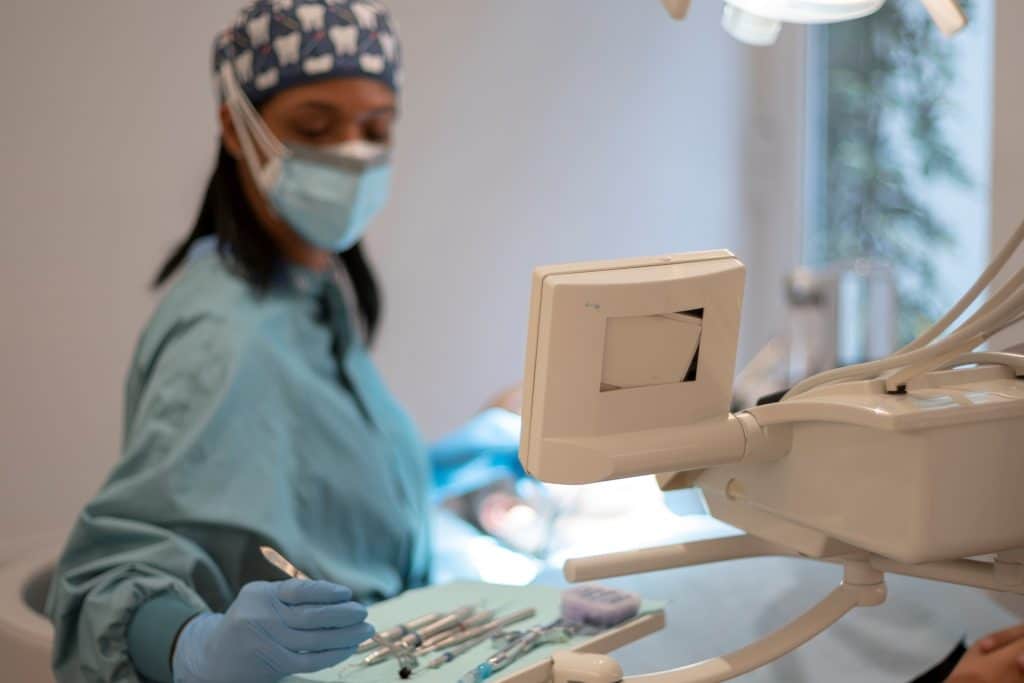
Dental prophylaxis is the set of actions aimed at eliminating the bacterial plaque present on the dental surface (both the visible part and the part located 2 millimeters below the gum). It is usually performed without anesthesia and we use ultrasound and air technology.
AirFlow Prophylaxis Master,
the most advanced dental technology to eliminate it through air. Then, we polish the teeth with a special brush and polishing paste that smoothes and polishes the enamel. Finally, we apply fluoride to remineralize and strengthen the teeth. We usually perform it in a 60-minute session where the patient is instructed on how to remove plaque through good daily hygiene (correct use of electric toothbrush, interproximal brushes suitable for each area of the mouth, dental floss, etc.).
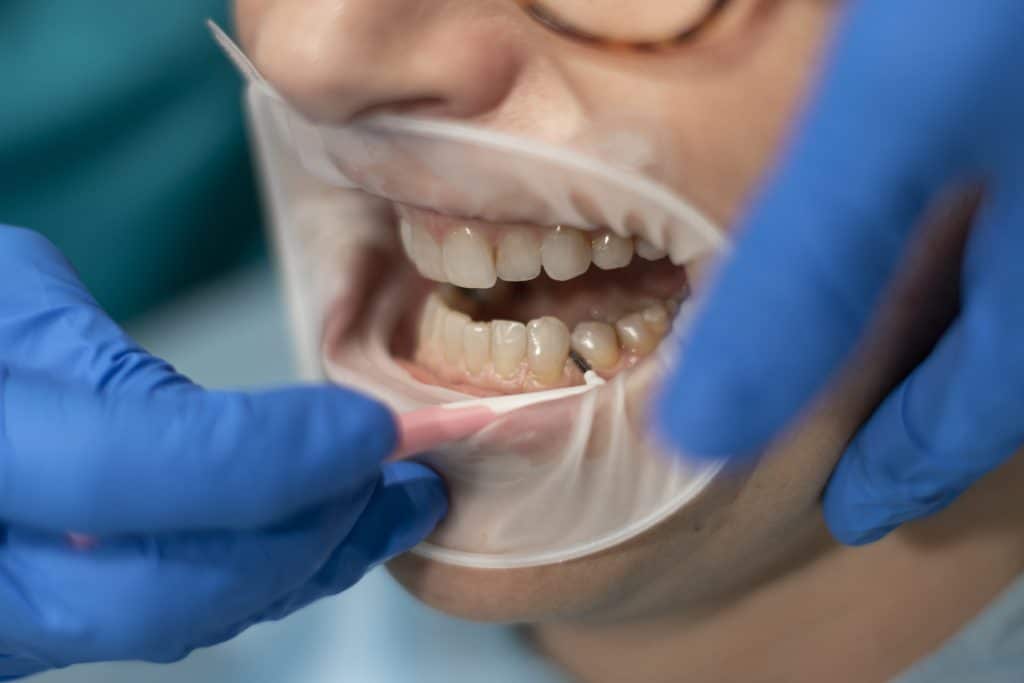
If there is more bacterial plaque below 2 millimeters of the gum, it means that it is already affecting the bone that holds the tooth, progressively generating its deterioration. This pathology is called periodontitis and should be evaluated by a gum specialist through a periodontal study. With this study, the teeth will be probed to determine the extent of sub-gingival bacterial plaque, which can then be removed in a guided manner through scaling and root planing (RAR).
Scrapings are performed under local anesthesia and remove the plaque that is located between 2 and 8 millimeters below the gum and that deteriorates the bone that holds the teeth. Once performed, it will be necessary to wait 6 weeks for the gum to reattach to the bone and tooth so that the professional, through a new study, can determine how often periodontal maintenance should be performed, thus slowing down bone loss and preventing caries. They are normally performed every 6 months.
Is dental prophylaxis painful?
Dental prophylaxis is not a painful procedure, although it can be uncomfortable for some patients who have swollen gums or tooth sensitivity. The discomfort you may feel is mild, but the best way to reduce it is to maintain proper daily hygiene at home and come to the clinic with less plaque accumulation. Mild discomfort will gradually improve and disappear in a few days. After this time, the teeth and gums must continue to be cared for to maintain the results over time.