



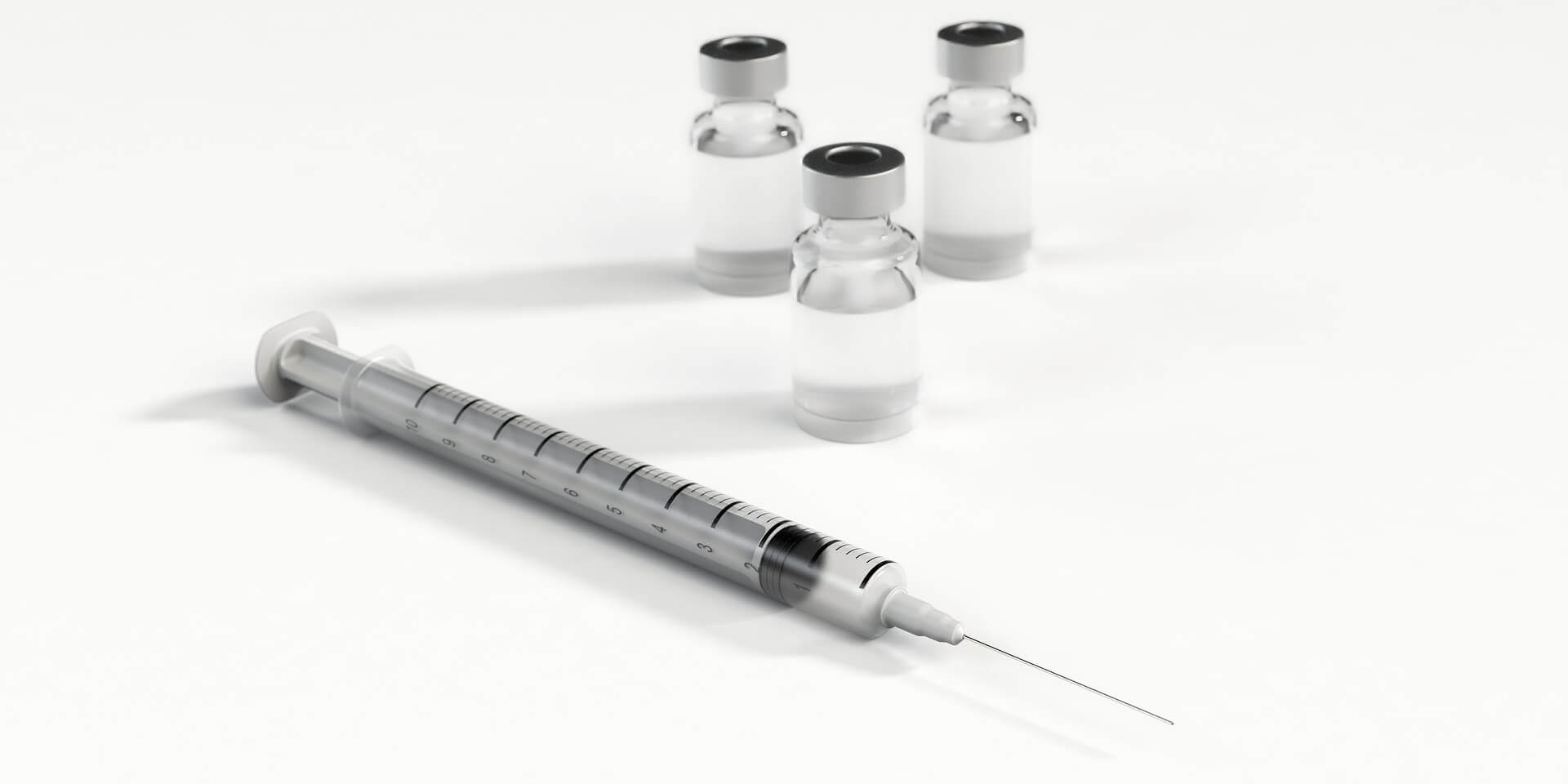
It eliminates pain and makes it possible to carry out procedures that otherwise could not be performed: anesthesia is an essential technique in all medical specialties and, of course, in dentistry. In this week’s post we are going to talk about 6 things you probably don’t know about dental anesthesia. If you are interested in this topic, read on!
How long does the effect of dental anesthesia last?
After a process in which local anesthesia has been applied, the patient will feel that the treated area is numb or insensitive. This situation is completely normal and its effect usually disappears a few hours after the procedure.
However, in the case of mild or conscious sedation, the duration time is different. The effect ends just a few minutes after the treatment, so the patient recovers quickly.
Which dental treatments require anesthesia?
The main dental treatments requiring anesthesia are:
- Dental implants.
- Extractions.
- Fillings.
- Endodontics.
- Oral surgeries.
- Periodontal cleanings.
Types of dental anesthesia
The main types of dental anesthesia are:
- Anesthetic spray, cream or gel: this type of product is used to numb the area where local anesthesia will be applied. Its purpose is to avoid the pain of the needle prick of local anesthesia.
- Local anesthesia: this is the most commonly used technique to eliminate the sensitivity of the mouth. It is used to perform procedures such as fillings, dental implants, root canals, extractions, etc.
- Mild sedation: consists of the application of nitrous oxide by means of a mask, avoiding needlestick. It is one of the most appropriate techniques for periodontal cleaning.
- Conscious sedation: this works the same as the previous technique, although slightly more anesthesia is applied. In this way, the patient is left in a pleasant and relaxed state. It is usually accompanied by local anesthesia in the area to be treated.
- General anesthesia: this technique is not usually used in dental clinics, since it involves complete sedation of the patient and must be supervised by an anesthesiologist.
Side effects of dental anesthesia
Local anesthesia is the most commonly used type of dental anesthesia. It has a strong analgesic effect, numbing the area where it is applied.
One of its consequences is that the patient stops feeling that area for approximately two hours, so that the specialist can proceed with the treatment avoiding any kind of discomfort.
However, although the side effects of dental anesthesia are rare and sporadic, they may occur from time to time. Some of them are inability to blink, hematoma or elevated heart rate.
However, if you go to a reliable dental clinic, such as ours, where they are committed to quality and excellence, it is practically impossible for these side effects to appear.
Dental anesthesia in pregnancy
Regular visits to the dentist are vital to prevent, diagnose and treat possible pathologies in time.
During pregnancy, it is also necessary to comply with these visits, since oral health may vary during the months of pregnancy.
In addition, local anesthesia is completely harmless for both pregnant women and their babies, so if it were necessary and recommended by the specialist, there would be no problem.
Is it possible to drink alcohol before and after dental anesthesia?
Of course not. As a general rule, it is not advisable to consume alcoholic beverages before or immediately after the application of dental anesthesia, since this could alter the effects of the anesthesia.
In our Dental Clinic Barcelona we ensure that the patient does not suffer any discomfort during our treatments thanks to dental anesthesia, a very safe technique.
If you are interested in learning more information about dental anesthesia, Clínica Dental Puyuelo will be happy to assist you and explain in detail what this technique consists of.